

How To Tell If Fabric Is 100 Cotton
Cotton fiber is still king. It is soft, comfy, and feels like an onetime friend when cleaved in. Plus, it is cheaper than silk and some other fine fabrics while not losing any of its practiced looks. Most days, nothing beats 100% cotton when y'all want to sit down downwards and relax after a difficult day.
How to tell if fabric is 100 cotton? With 56% of all fabrics containing some grade of cotton, it is important o make sure that your 100% cotton shirt or apparel is actually made of 100% cotton. The burn test is ane of the easiest means to tell if you have a blend or pure cotton article of clothing.
That is the easiest style to tell as cotton doesn't melt or curl away from the flame of a candle, lighter, or a friction match. To find out other means to tell if you take 100% cotton wool clothing only proceed to read our commodity. It has the information you need to know about to make sure yous are wearing cipher but pure cotton.
Is There a Way to Tell if a Textile is 100 Cotton?
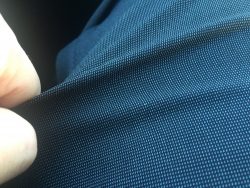
Yes, there is and information technology is chosen the burn examination. But in that location is one slight trouble with burning the fabric to check to run into if information technology is cotton or not. That problem is that almost all-natural fibers and some semi-natural ones all burn down in the same way cotton does. Those fabrics are Flax, hemp, jute, ramie, etc. Wool, all varieties, and silk practice not burn as cotton does.
That means that if you use the fire test, you will only find out that you accept a natural fabric or semi-natural fabric on your hand. The label will take to exist read to make sure your outfit is 100% cotton.
All types of wool and silk tend to shrink from the flame as synthetic materials volition but they will not melt. When you fire cotton you should get a paper-like odor or the aforementioned odor that comes from burning leaves or forest. Silk and wool have a heavy odor that is equal to smelling burning hair.
The reason for this difference is that cotton and similar products come up from plants and wool and silk come from animals or insects. The two types of natural materials accept different compositions and react differently to fire.
How Can Y'all Tell if a Cloth is Cotton by Touching?
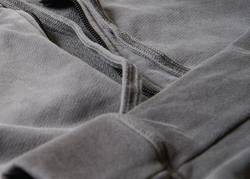
One fashion to do this is not to use your hands. Rub the material gently across your cheek and see how the material feels against such soft skin. Cotton should feel softer than other materials plus have more texture than polyester.
A polyester cotton wool fabric will be smoother and slicker than cotton 100% cotton will be. So an all poly clothing item volition accept a more artificial feel well-nigh it. Information technology may be hard to tell when you are trying to figure out since the manufacturing of fabrics has been upgraded over recent decades.
Sometimes the only way to tell is past reading the characterization. 100% cotton should have a different feel than other fabrics including natural ones merely that may non e'er exist the instance. Cotton comes in and so many different styles and textures, like canvas or calorie-free to heavyweight materials, that information technology will have a different feel even when comparing different 100% cotton wool items.
Don't be upset if you are fooled when you lot do the touch test. Information technology is getting difficult to tell the divergence but by touch alone. Manufacturers create constructed products just to experience and act like cotton.
How Can Yous Tell the Deviation Between Cotton and Polycotton?
The standard test everyone talks about is the burn examination. This is where yous take a few threads or some scrap fabric and put a flame to them. if the cloth is made from polycotton, you should run across crimper or melting of the fiber plus at that place should be a goo similar a remainder left behind when the material is burned up.
Cotton does not curl upwards but stays directly as information technology meets the flame. Then information technology burns like paper or forest, smells similar that as well, and when it is totally consumed by burn, information technology should leave grayish type ash backside.
If yous have lots of time to find out which fabric you own, you can always wear the fabric and encounter which ones break down the fastest. Cotton is not every bit durable equally polycotton. Or if you do non have the time to await, try to rip a fragment. Cotton tears easier than polycotton volition.
The reason other fabrics are blending with cotton is that it has several weaknesses. That means that the affect test may throw y'all off as polycotton may feel exactly similar 100% cotton. You would take to have a fairly sensitive touch to know the difference.
How to Tell if Socks are Cotton
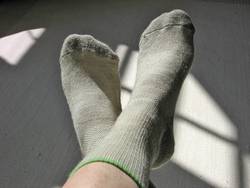
If you haven't washed and do not want to practise the burn test, which is not ever the best pick to have, you can use dissimilar techniques to learn if your socks are 100% cotton fiber or not. The commencement footstep is in how they feel against your pare.
If the cotton is pure it should take a different texture than polycotton or other blends, plus, it should experience softer than those other sock varieties. Adjacent, you can wet the socks and allow them dry. Cotton can take a very long time to dry and polyester or other blended socks should dry faster than 100% cotton wool.
When those tests do non produce the results you want, you can clothing the socks and run into how hot your feet go. Cotton breathes amend than almost any other fabric, including a poly-cotton blend. The coolness of your feet should tell you if you have 100% cotton on or non.
Also, polycotton or polyester do not absorb wet as well every bit cotton will. Wet the socks and see how well the water is absorbed into the material to meet which one you lot take. Finally, the cost of the socks will let you lot know which fabric yous have equally polyester is normally cheaper than cotton wool.
How to Tell if a Thread is Cotton
This is where you become to the gilt standard of tests and use a flame. That flame tin can come from a match, a lighter, or a candle. Anything safe to hold in ane manus while you move the material closer to the flame with the other.
In an earlier section, we gave you the burn properties of cotton fiber and other fabrics and if y'all encounter grayish ash after the flame has consumed the thread. Also, if yous smell a burnt paper, burnt foliage, or burnt forest scent then you have a cotton fiber thread.
Or y'all may have hemp, jute, and other fabrics that come up from plants. That is the hitch in the burn examination that does not make it a good examination unless you are trying to determine if you are using a natural cobweb or a synthetic one.
The cotton thread will remain straight as it enters the flame. It will non curl away similar wool and silk fibers volition or melt like synthetic ones. The remains will be ash, not a residue or goo that comes from melting petroleum products.
How to Identify Cotton Material by Touching (Without Burning)
The best style to bear on the fabric is to gently rub the material beyond your cheek. Cotton wool is very soft, has a natural feel to it, and should take a little texture to the overall cloth. Polyester and other synthetic fabrics volition have an artificial feel to it and may be rougher than cotton.
Here are a few of the characteristics you lot volition notice when touching different fabrics:
- Cotton - can feel potent but you tin can shell it with your fingers and put a crease into information technology.
- Silk- very smooth, have a bright and luster look to the textile.
- Wool- is coarse to the affect and you should feel protruding fibers from the textile.
- Polyester and rayon - polish to the touch, accept a luster to their expect.
- Twill - coarse to the bear on and there should exist a diagonal experience to the material.
- Nap materials like velvet and pile - smooth when touched but comes with loops and a hairy construction.
- Nylon and satin - very glace and reverberate light.
That gives you lot an thought of the differences between the fabrics when you touch them.
Some final words
Cotton has its softness to help you tell the difference between information technology and blends or other 100% fabrics. When in dubiousness you tin e'er use the fire examination to make certain. But the different tests are limited as manufacturing of fabrics have greatly improved over the years.
What used to be easy to practice is now a piddling more difficult and confusing. The best thing to do is to trust the label and go by what information technology says.
Source: https://sewingiscool.com/how-to-tell-if-fabric-is-100-cotton/
0 Response to "How To Tell If Fabric Is 100 Cotton"
Post a Comment